In a structural engineer foundation repair, the engineer doesn't lift your house. They work out why it moved, decide whether it needs structural repair at all, and write a sealed repair plan that a foundation contractor then builds to. On a bigger job they also check the work afterward and sign a letter saying it matches the plan. For a Houston home the report usually costs $500 to $1,000. It sits inside the wider foundation inspection and engineers topic. Below: the engineer's role, what a good report contains, the cost, and how to use the plan to compare repair quotes.
Do you need a structural engineer for foundation repair?
You don't always need one, but you should have one when the movement is real and the repair is big. Small cosmetic cracks and a sticking door can be handled by a foundation contractor's own assessment. For underpinning with piers, a lift across much of the house, a house you're buying or selling, or two contractors who disagree, an independent engineer's plan protects you from paying for the wrong fix.
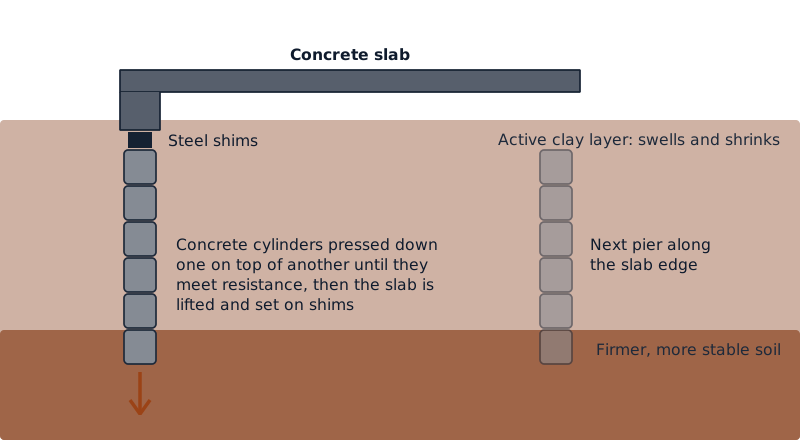
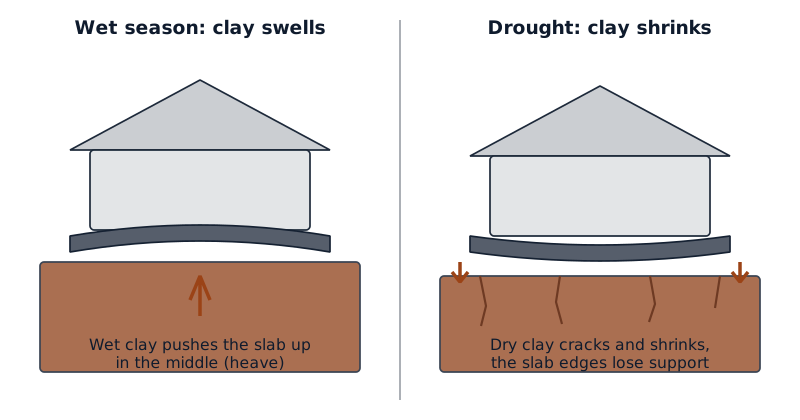
Much of Houston sits on clays such as the Lake Charles series, which the USDA describes as 45 to 60% clay that cracks open up to two inches wide in dry spells, then swells when it rains. That movement causes cracking that looks alarming and often isn't structural. The engineer tells the two apart.
Get an engineer involved when floors slope enough to notice, brick cracks run in a stair-step pattern, doors stick in several rooms, a contractor quotes piers all the way around the house, or a buyer or lender asks for an engineer's opinion.
What is another name for a structural engineer?
In Texas the formal title is Professional Engineer, written PE or P.E. after the name. A structural engineer is a Professional Engineer who specializes in how buildings carry loads. People also say foundation engineer, residential engineer or forensic engineer when the job is working out why a house moved. A geotechnical engineer is a different specialist who studies the soil itself.
The title matters because it is protected. In the United States each state regulates engineers, and only someone holding a state Professional Engineer's license may call themselves a PE. In Texas that is the Texas Board of Professional Engineers and Land Surveyors (TBPELS). Its website has a "Find an engineer" roster, so you can check a name before you book.
What does a structural engineer do in a foundation repair?
The engineer evaluates the foundation, finds the cause, and designs the repair. In Texas most residential engineers follow the ASCE Texas Section's Guidelines for the Evaluation and Repair of Residential Foundations. Those guidelines say the engineer should visit the site personally, establish the causes of distress, and recommend cost effective remedial measures, including an honest statement of what the repair can and can't achieve.
The guidelines describe three levels of investigation:
| Level | What it covers | When it fits |
|---|---|---|
| Level A | Interview with the owner, review of any past reports and repair records, a walk-through, and a written report of first impressions if you ask for one | A quick opinion on minor cracking |
| Level B | Everything in Level A, plus measured floor elevations, a scaled drawing of them, and deflection and tilt compared with accepted limits | Most homes where movement is suspected or a repair is being priced |
| Level C | Levels A and B, plus testing the engineer judges necessary: soil borings, plumbing tests, materials or post tension cable testing | Major repairs, disputes, suspected leaks or unusual soil |
The engineer can also recommend non-structural measures first, such as grading, gutters, a root barrier or foundation drainage, and monitor the house before deciding on piers.
Inspection is only half the role. When piers or a lift are needed, the engineer who seals the plan becomes the engineer of record, with approval authority over any changes. The Texas rules for engineers also prohibit "plan stamping": an engineer may seal only work done by them or under their direct supervision.
What is in a structural engineer report?
A useful report explains what is moving, why, and what to do about it, in writing. For a Level B report, expect a description of the scope, your house's history, observations inside and out, a floor elevation plan showing relative heights across the slab, deflection and tilt figures compared with accepted tolerances, the likely causes, conclusions and recommendations, and a section on the report's limits.
If you search for a sample structural engineer report, the useful parts to look for are the elevation map and the reasoning. A tilt over 1 percent is usually noticeable, according to the ASCE Texas guidelines, and they use a deflection limit of L/360 as a reasonable benchmark: the drop between two points divided by the distance between them. A report that gives you numbers and a clear cause is worth more than one that only lists cracks.
When the report recommends structural work, the repair documents go further. The guidelines say they should state the purpose and limits of the repair, the soil information used, a plan view of the foundation, construction details and specifications, pier locations, sizes and depths for underpinning with foundation piers, the target floor adjustments, any observation during the work, and a floor elevation survey once it's finished.
The guidelines are frank that a lifted foundation is unlikely to end up perfectly level, and a good report says so.
How much does a structural engineer cost for foundation repair in Houston?
A structural engineer's report typically costs $500 to $1,000, according to This Old House's 2026 cost guide. A general foundation inspection in Houston averages about $600, with a range of $300 to $1,000, according to a 2026 Houston Press guide. Expect the higher end for a full floor elevation survey, a sealed repair plan or post-repair visits.
| Item | Typical range | Source |
|---|---|---|
| Foundation inspection, Houston | $300 to $1,000, about $600 average | Houston Press, 2026 |
| Structural engineer report | $500 to $1,000 | This Old House, 2026 |
| Soil report | $500 to $3,000 | This Old House, 2026 |
| Building permit | $75 to $150 | This Old House, 2026 |
| Piering or underpinning, per pier | $1,000 to $3,000 nationally; Houston concrete piers $300 to $600, steel $1,000+ | This Old House; Houston Press |
These are guides, not quotes. On a repair with a dozen or more piers, a plan that cuts the count or rules out the wrong method can save far more than the fee. The full breakdown of visit prices is on foundation inspection cost.
Engineer or foundation contractor: who should you call first?
If you want an independent answer, call the engineer first. The engineer has nothing to sell beyond the report, so the plan isn't shaped by what a crew installs. Then ask two or three foundation contractors to quote the same plan. Quotes built on one specification compare cleanly, line by line, instead of three different guesses at the problem.
Calling a contractor first is fine for minor work. If their proposal is large, ask whether an engineer's plan is part of it, and whether that engineer works for you or for the contractor.
You can ask for a quote on our quote page and we'll arrange a visit from a local foundation contractor. If you already have an engineer's report, mention it in the form so the contractor prices to it. The steps for booking an engineer are on how to get a structural engineer report.
What does a structural engineer check after the repair is done?
After the repair, the engineer or their representative should measure the floor elevations again and give you a copy, so you can see how far the house came back toward level. If you hired the engineer to do it, they then issue a letter saying the work substantially conforms to the plan, noting any changes. Keep that letter with your house papers.
The ASCE Texas guidelines add a step people miss: if the house was lifted, the water supply and drain lines should be tested for leaks afterward, and the gas line may need adjusting. A leak under a slab can undo the repair.
Permits are the last piece. Inside the City of Houston, foundation repair appears on the city's building permit reports, so expect the contractor to pull a permit. Bellaire charges a flat $130 floodplain development permit for residential foundation work. In other cities, check with the building department. What the work itself involves on a slab is covered in the slab foundation repair guide.
Questions people ask
How long does structural engineer foundation repair take?
The engineer's visit often takes a couple of hours, depending on the house size and how many rooms need measuring. The written report usually follows within days to a couple of weeks. The repair itself varies: many pier jobs take a few days, and mudjacking slurry needs 24 to 72 hours to cure, according to a 2026 Houston Press guide. The post-repair survey comes after the work.
What should I ask before I hire someone for structural engineer foundation repair?
Ask whether they hold a current Texas PE license, and check the name on the TBPELS roster. Ask which level of investigation they'll do, whether the fee includes a floor elevation survey and a sealed repair plan, and whether post-repair visits and a final letter cost extra. Ask if they have any business ties to a repair contractor.
Do I need to be home for structural engineer foundation repair?
For the engineer's visit, yes, or someone who knows the house's history should be there. The engineer will want to hear when cracks appeared, about past repairs, leaks and drainage. For the repair work, you usually don't need to be home all day, but the crew may need access inside for interior piers, and you'll want to be there for the final walk-through.
Does an engineer's report make my house harder to sell?
It can feel that way, but an unexplained crack worries buyers more than a documented one. A report with a clear cause, a sealed repair plan and a letter confirming the finished work gives a buyer and their inspector something concrete to check. Keep the originals with the house papers, and ask your real estate agent what you need to disclose.
Can a structural engineer recommend no repair at all?
Yes. If the floor elevations sit within accepted limits and the cracks match normal seasonal clay movement, the engineer may recommend watering, drainage or gutter work and then monitoring. That's a common, honest outcome in Houston. For help judging the difference yourself, see foundation problems vs settling.
For the wider picture, start with foundation repair houston.
Sources
- ASCE Texas Section, Guidelines for the Evaluation and Repair of Residential Foundations, Version 3 (April 2022)
- ASCE Texas Section, Texas residential foundations guidelines page
- Texas Board of Professional Engineers and Land Surveyors
- This Old House, foundation repair cost guide (October 2026)
- Houston Press, guide to foundation repair in Houston (2026)
- USDA NRCS, Lake Charles soil series description
- City of Houston weekly building permit report, July 2024
- City of Bellaire, FY2026 master fee schedule
Last changed