To get a structural engineer report in Houston, you hire a Texas Professional Engineer (PE) who does residential foundation work, check their name on the state board's roster, book a site visit, and ask in writing for a report with floor elevations and a cause. Expect to pay about $500 to $1,000, and allow a few days to a couple of weeks for the written report. This page is part of our guide to foundation inspection and engineers. It walks through each step, what to ask for when you book, the cost, how long it takes, and when a lender or buyer will want one.
What is another name for a structural engineer?
In Texas the legal title to look for is Professional Engineer, shown as PE or P.E. after the name. For a house, people also search for a foundation engineer, a residential structural engineer or a forensic engineer. Those are descriptions, not separate licenses. What matters when you book is that the person holds a current Texas PE license and works on residential foundations.
A foundation inspector or home inspector is not an engineer, and their opinion is not an engineer's report. The full explanation of what a structural engineer does on a repair is on structural engineer foundation repair.
How do you get a structural engineer report on a house?
You get one in six steps: write down what you've seen, find two or three residential engineers, check each name on the Texas board's roster, ask what level of investigation and what deliverables the fee covers, book the visit, then read the report and ask questions. Most homeowners can do all of it by phone and email in a day or two of effort.
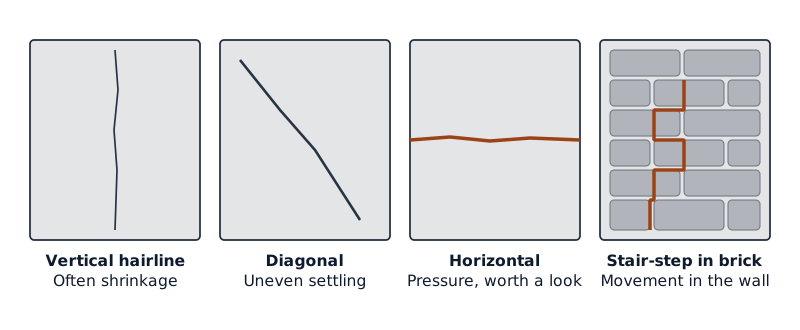
- Write down the symptoms. List the cracks, sticking doors and sloping floors, with dates and photos, and note whether they change between dry and wet months.
- Find two or three engineers. Search for residential foundation engineers in Houston, and ask your real estate agent, home inspector or neighbors who had repairs. Pick people who do houses, not only commercial buildings.
- Check the license. Look up each engineer on the Texas Board of Professional Engineers and Land Surveyors (TBPELS) engineering roster, and the firm on its firm registration list.
- Ask for a written scope and fee. Confirm what the visit includes before you pay. The next section lists what to ask.
- Book the visit and give access. Clear the garage floor edge or the crawl space hatch, and have earlier reports and repair papers ready.
- Read the report and follow up. Ask the engineer to explain anything you don't follow before you collect repair quotes.
If you have already had a general home inspection, read what a house inspection says about foundation cracks first. It tells you which comments in that report justify booking an engineer.
How do you check a structural engineer before you book?
Look the engineer up by name on the TBPELS engineering roster at pels.texas.gov, and confirm the license is current. Then check that the firm is registered, because the board says any entity offering engineering services to the public of Texas must register, even a one-person practice. Finally, ask directly whether the engineer has any financial tie to a foundation repair company.
Some engineers get most of their work from repair contractors. For an independent opinion, hire one who is paid by you and answers to you.
If something looks off, such as a seal with no matching roster entry, the board takes complaints through its website.
What should you ask for when you book the report?
Ask, in writing, for the level of investigation, a floor elevation survey with a drawn plan, a stated cause of the movement, clear recommendations, and the fee for each part. Ask whether a sealed repair plan, a visit during the work and a final letter after the work cost extra. Getting this agreed up front stops you paying for a report that can't be used for quotes or permits.
The ASCE Texas Section's residential foundation guidelines, which many Texas engineers follow, describe three levels of investigation. Here is how to use them when you book:
| What you need | Level to ask for | What to confirm |
|---|---|---|
| A quick opinion on a few cracks | Level A | Whether you get a written report or only a verbal one |
| A real answer on whether the house is moving, or a report for a sale | Level B | Floor elevations in every room, a scaled drawing, and tilt and deflection figures |
| A large repair, a dispute or a suspected slab leak | Level C | Which tests are included, such as soil borings or plumbing tests, and who arranges them |
For most Houston homes, Level B is the useful report. If the engineer recommends piers or a lift, ask whether they will seal the repair plan, because inside the City of Houston foundation repair goes through a building permit, and the contractor and permit office will want a clear specification. What a finished report contains, section by section, is set out on the structural engineer foundation repair page, so this page doesn't repeat it.
How much does a structural engineer report cost in Houston?
A structural engineer report on a house typically costs $500 to $1,000, according to This Old House's October 2026 cost guide. For comparison, a general foundation inspection in Houston averages about $600, within a $300 to $1,000 range, according to a 2026 Houston Press guide. The price you're quoted depends on the level of investigation, the size of the house and the extras you add.
What moves the fee:
- House size and layout. More rooms means more elevation readings and a longer drawing.
- Pier and beam access. A tight crawl space takes longer to survey than a slab.
- Extras. A sealed repair plan, a visit during construction, a post-repair survey and a final letter are often priced separately.
- Testing. A soil report runs about $500 to $3,000 on its own, according to This Old House.
- Deadlines. A report needed inside a short option period may cost more if the engineer has to fit you in.
These are guides, not quotes. The engineer gives you the real fee in writing before the visit. For the wider price picture, including what free contractor inspections are and aren't, see foundation inspection cost.
How long does a structural engineer report take?
The site visit on a typical single-family home takes a couple of hours, longer for a large or pier-and-beam house. The written report usually follows within a few days to a couple of weeks, depending on how busy the engineer is and whether testing is involved. Soil borings or plumbing tests add time, because those results come back before the engineer finishes.
After a long dry spell, when cracks open on Houston's clay, engineers can be booked out. If you're buying, tell the engineer your deadline when you book.
Do you need a structural engineer report for a mortgage or an FHA loan?
Not always. A lender usually asks for one when the appraisal or home inspection notes possible foundation damage, and the loan can stall until the report is in. FHA appraisers note visible defects, and the lender may then ask for an engineer's opinion. HUD's rules on this have been revised, so ask your lender exactly what they need before you book.
When a lender or buyer asks, find out three things first:
- Whether they accept a report from any Texas PE or want a particular kind of engineer.
- Whether they need a statement that the house is structurally sound, a repair plan, or proof that repairs were finished.
- Whether a report you already have, and how recent it is, will do.
If you're buying, book the engineer early in your option period so the findings arrive while you can still negotiate. The buying a house with foundation issues guide covers the contract side.
What happens after you get the report?
Use the report as the specification for repair quotes. Send the same report to two or three foundation contractors, so each one prices the same work instead of their own diagnosis. If the engineer recommends no structural repair, follow the drainage and watering advice and keep checking the cracks you photographed.
When the report does call for piers or a lift, we'll arrange a visit from a local foundation contractor. Mention in the quote request that you have an engineer's report, so the contractor prices to it. You get the price in writing before any work starts, and inside the City of Houston the contractor pulls the building permit. After the work, ask the engineer for a final elevation survey and letter, and keep both with the house papers.
Questions people ask
What does a structural engineer report look like?
A typical residential report is a few pages of text plus a floor plan marked with elevation readings. It sets out the scope of the visit, the history you gave, what the engineer saw inside and out, the measured tilt and deflection, the likely cause, and recommendations. Photos are often attached. A sealed report carries the engineer's seal and Texas PE number on it.
Where can I see a sample structural engineer report?
Many engineering firms post a redacted sample on their websites, and it's worth asking any engineer you're considering to send one before you book. Look for an elevation plan with numbers, a clear cause and specific recommendations. A sample that only lists cracks and says "monitor" tells you the full report may be thin.
Is a structural engineer subsidence report the same thing?
In Houston, "subsidence" often means the regional sinking of the land from groundwater pumping, which the Harris-Galveston Subsidence District measures. Its fastest recorded rate, over 3 cm a year, is around Katy and Fulshear. A house report looks at how your own foundation has moved. If you want regional subsidence or a nearby fault considered, ask the engineer to address it in writing.
Do I need to be home for the structural engineer's visit?
It helps a lot. The engineer will ask when cracks appeared, about past repairs, plumbing leaks, trees and drainage, and you know the answers. They also need into every room and the garage or crawl space. If you're buying, the seller's agent usually arranges access, and you can ask to join the visit to hear the first findings.
For the wider picture, start with Foundation Repairs Houston Quotes foundation repair.
Sources
- Texas Board of Professional Engineers and Land Surveyors, engineering rosters
- Texas Board of Professional Engineers and Land Surveyors, engineering firm registration
- ASCE Texas Section, Guidelines for the Evaluation and Repair of Residential Foundations, Version 3 (April 2022)
- This Old House, foundation repair cost guide (October 2026)
- Houston Press, guide to foundation repair in Houston (2026)
- Harris-Galveston Subsidence District, 2025 annual groundwater report summary
- City of Houston weekly building permit report, July 2024
Last changed